
In global sourcing, many suppliers refuse to work without clear specifications or physical samples. However, in real B2B sourcing, buyers often only have a starting point.
- Buyers often only have one single reference picture.
- The project frequently starts with just a rough product idea.
- The initial requirement is often limited to a target market positioning.
This case study shows how we helped a US e-commerce brand (Candywirez.com) develop a custom product from just a single photo, with zero initial samples.
Client Background
The client is the founder of Candywirez, an independent brand specializing in power banks, tempered glass, and 3C digital/phone accessories.
This was a real project from the early days of my international trade career. At that time, the client was looking for suppliers in China. After exchanging business cards, I verified her company background through their official website.
This client planned to develop a product for that year’s upcoming CES (Consumer Electronics Show) in the USA. She found the product at a counter in Huaqiangbei (Shenzhen Electronics Market), but the vendor refused to customize it. She then asked if our company could help her customize this product.
The Challenges
From a product development perspective, this project carried multiple layers of manufacturing uncertainty:
No Blueprints
Only one single reference photo was available, with zero CAD blueprints to measure technical tolerances.
Supplier Refusal
The original Huaqiangbei wholesaler flatly refused to offer any OEM/ODM customization options.
High Tooling Risk
Proceeding required navigating completely unverified production feasibility entirely from scratch.
Despite the steep curve, we decided to step in and engineer a solution.
Our Process
1. Searching Huaqiangbei
The next morning, I went straight to Huaqiangbei with the picture. I searched store by store. By 1:00 PM, I had finished two large buildings but found nothing. My eyes and legs were exhausted, making me reconsider this order.
While having lunch, I had an internal debate. One side said, “You’ve searched two buildings, you’ve done enough.” The other side replied, “But you didn’t find it. If you leave now, the result is zero.” After eating and getting some energy back, I decided to check just one last building.
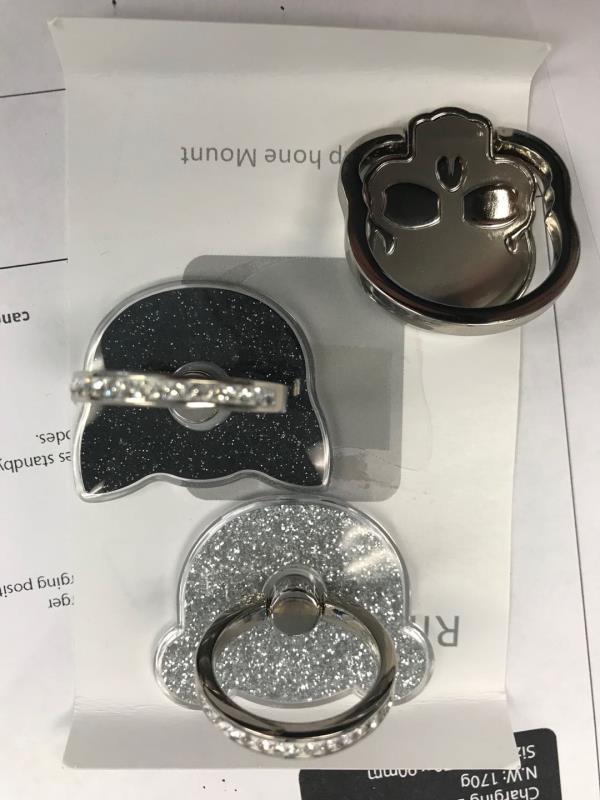
Finally, I found the exact item from the picture—it was a plastic phone stand shaped like a bear and a cat head. Although this factory also refused customization, we successfully got the product’s basic data and dimensions.
2. Handling Sudden Design Changes
After returning to the office, we confirmed all the details and color pigments with the client. We were ready to start production.
⚡ Sudden Project Turn: The client completely changed her mind. She requested to change the raw material to metal and completely switch the shapes to flowers and water-drops for automotive car use.
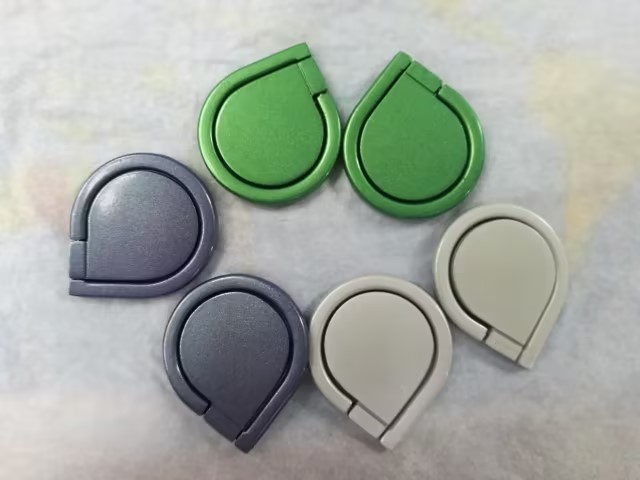
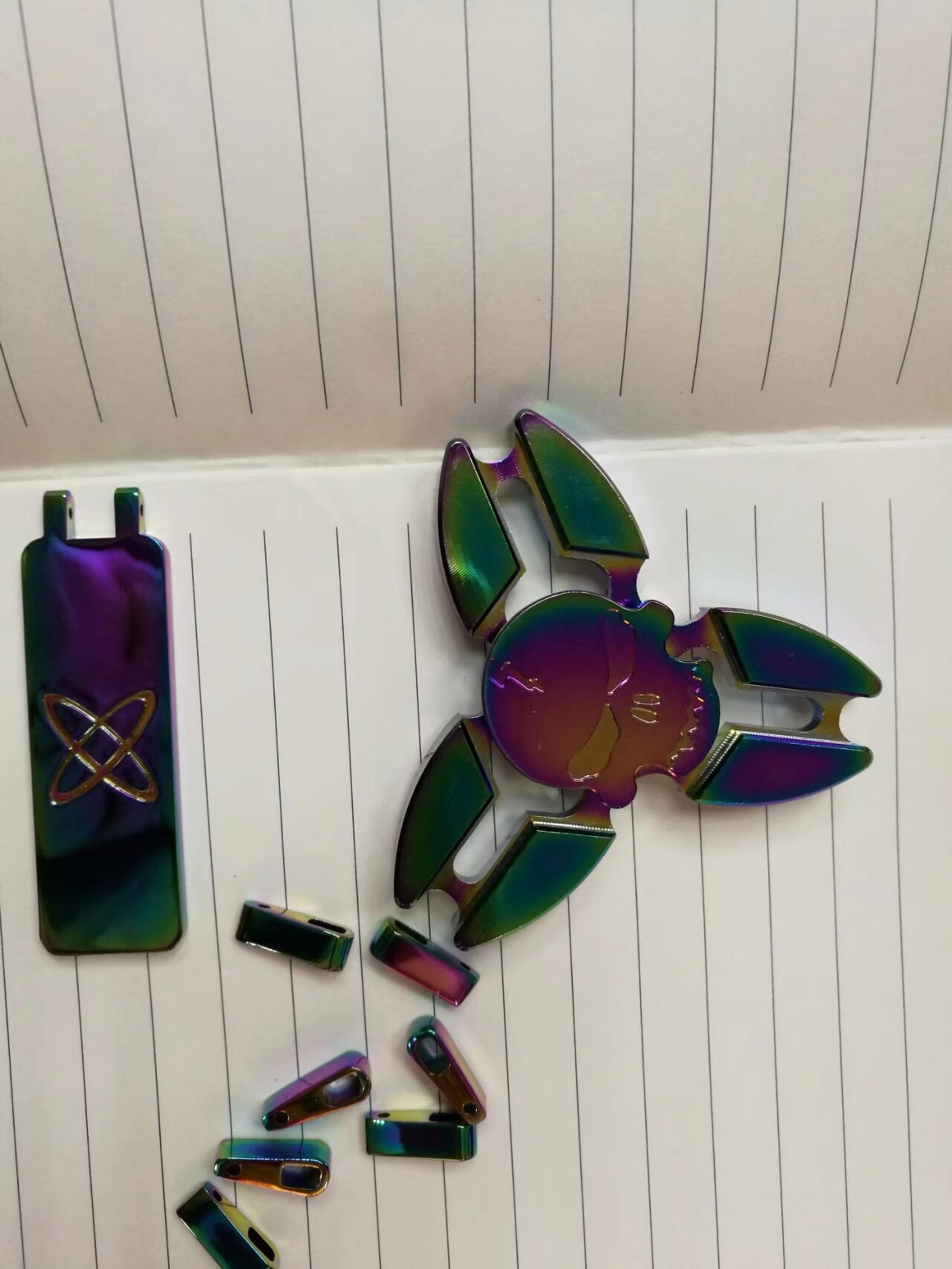
After we opened the molds for the new shapes, the client made another request: she wanted the flowers and water-drops to rotate. To save the client money, we chose to modify the existing molds instead of making new ones from scratch. The client agreed, and the product finally went into mass production.
3. The Final Result
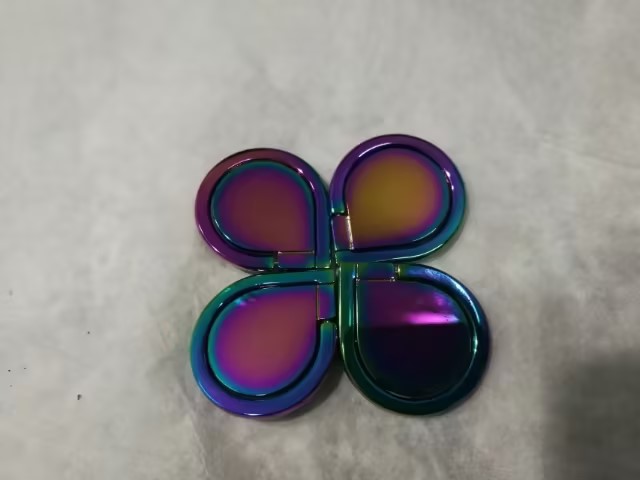
In the end, we successfully produced beautiful, rainbow-plated, rotating metal car phone mounts in flower and water-drop shapes.
Conclusion
When a product does not exist yet, who is willing to take the responsibility? This is the most important question in sourcing.
“Manufacturing a product is not hard. The real challenge is manufacturing the exact product the client needs.”
At Pampas Gift Custom, we focus on turning vague ideas into realistic production plans through structured sourcing, factory coordination, and risk control. We are here to solve our clients’ problems and deliver what they truly need.