
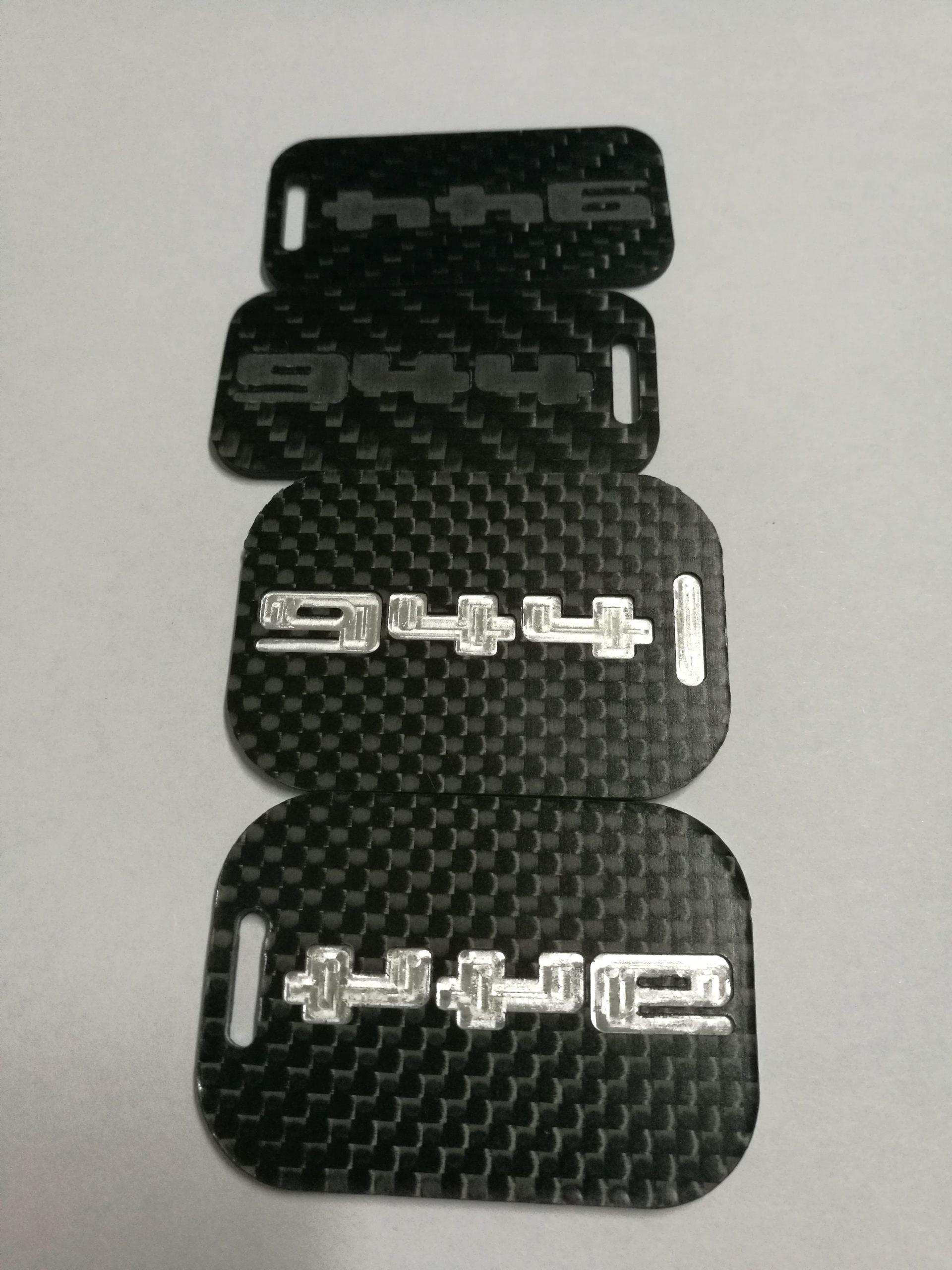
Approved production sample — carbon fiber body with hollow logo structure.
1. Client Background
This project comes from a US-based automotive parts supplier specializing in Porsche 944 accessories and enthusiast products.
The client operates an independent e-commerce store focused on Porsche 944 owners and collectors. During product expansion, they faced difficulties sourcing suppliers capable of producing high-quality customized gift items with advanced material combinations.
After reviewing our capabilities, the client contacted us via email to inquire whether we could develop a custom carbon fiber keychain based on their original design concept.
2. Initial Request
The client requested a premium automotive keychain with the following specifications:
The design was positioned as a premium branded accessory for automotive enthusiasts.
3. Engineering Evaluation & Risk Identification
After receiving the technical drawings, our production team conducted a feasibility review. Key challenges identified included:
High production complexity due to double-sided hollow structure
Increased scrap rate during precision processing
Cost pressure caused by multi-material integration (carbon fiber + zinc alloy)
Stability risk in scaling production consistency
We immediately communicated these risks to the client before sampling, ensuring full transparency on manufacturability constraints. Despite the complexity, the client confirmed that the original design direction was critical for their brand positioning and requested us to proceed.
4. Multi-Solution Sampling Strategy
To reduce development risk and avoid single-path failure, we implemented a three-track sampling strategy.
Carbon fiber double-sided hollow structure with zinc alloy filling inside the logo cavity.
Rejected — low yieldCarbon fiber base with a printed logo instead of a metal inlay.
Rejected — under-positionedCarbon fiber double-sided hollow logo, internal zinc alloy filling removed, improved structural stability while preserving visual depth.
Approved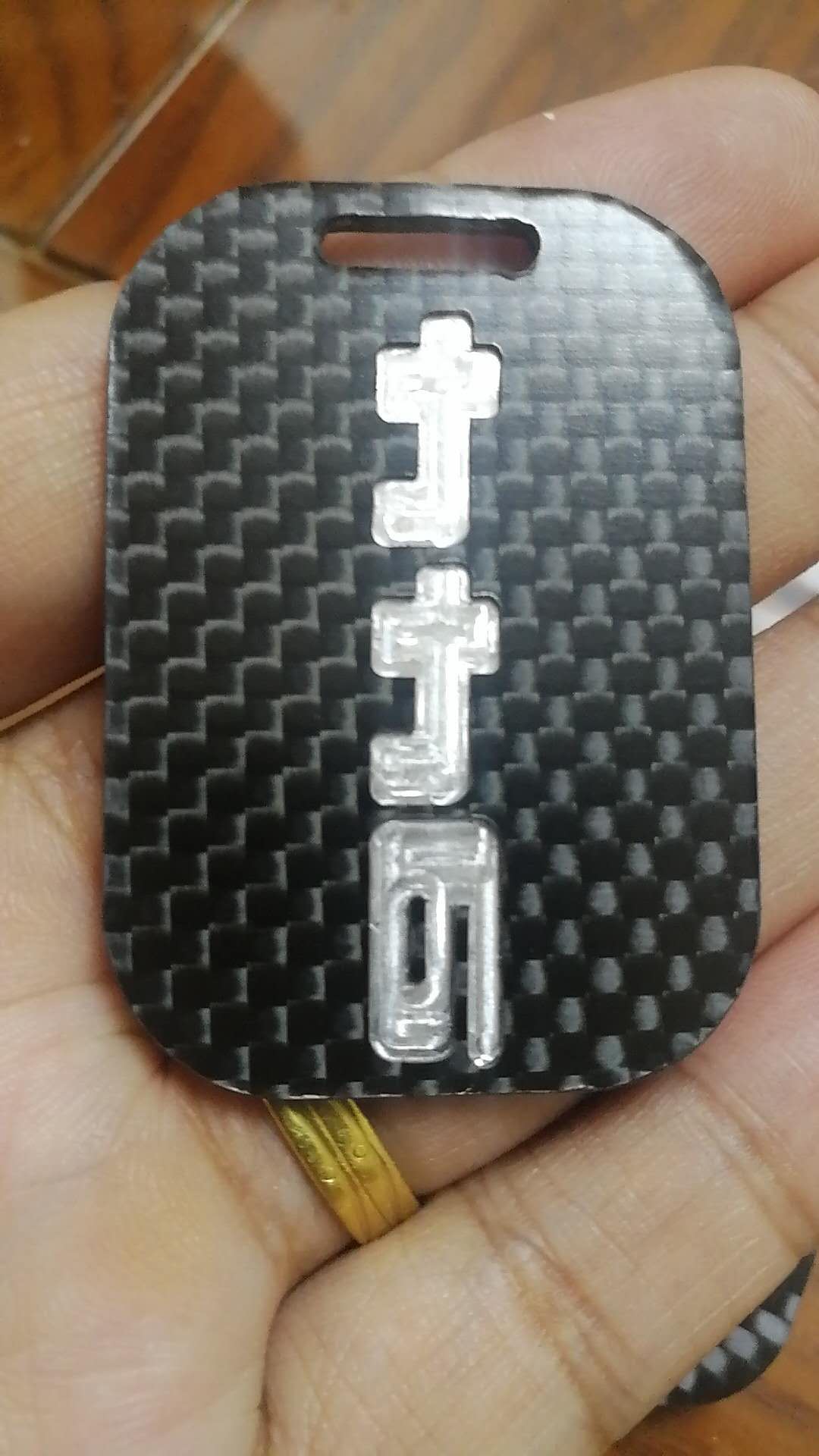
Option C — double-sided hollow logo structure, zinc alloy filling removed.
5. Design Iteration & Final Adjustments
After selecting Option C, the client further refined the design — changing the outer shape from a rectangular chamfer design to an oval structure, and adjusting proportions for improved visual balance and branding consistency. All modifications were finalized through iterative sample confirmation before production.
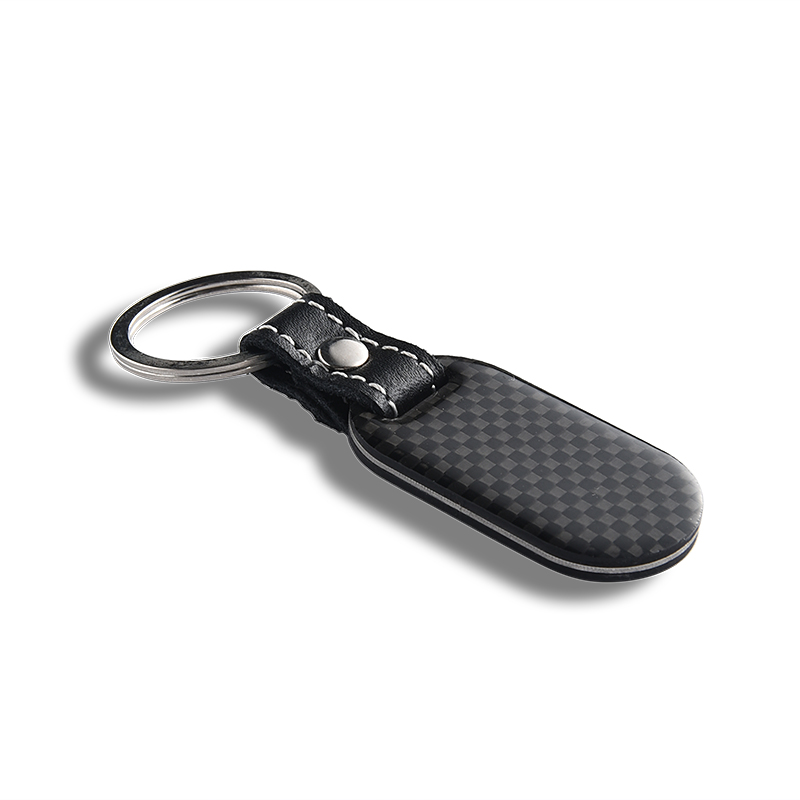
Refined oval structure — adjusted proportions for the final design.
6. Final Sampling & Production Approval
A final pre-production sample was created based on the approved structure and design adjustments. After client confirmation, full production was initiated. Each step was validated to ensure consistency between sample and mass production output.
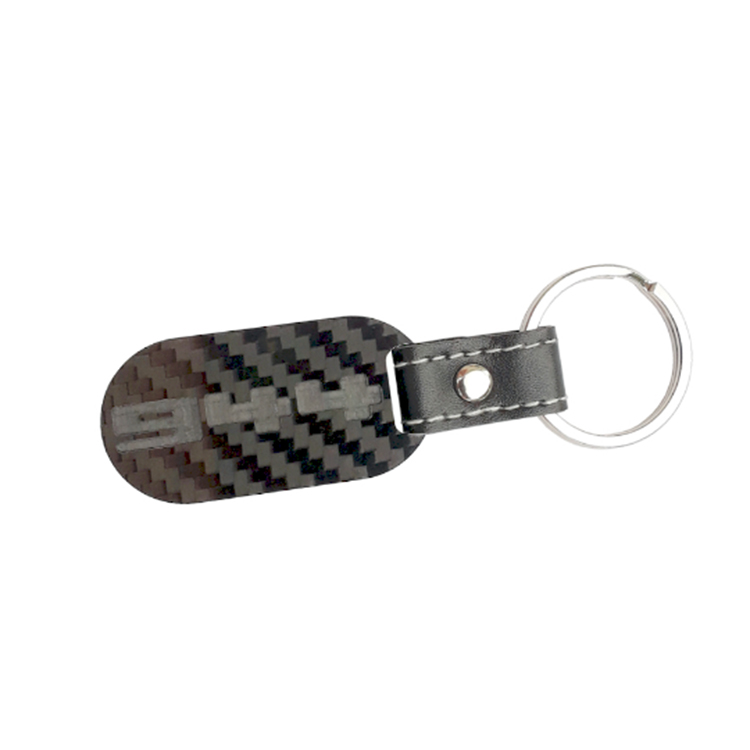
Final pre-production sample — confirmed before mass production.
7. Mass Production & Market Launch
After production completion, the finished goods were shipped to the United States. Upon arrival, the client immediately launched the product on their official Porsche 944 accessories website. The custom carbon fiber keychain is now actively listed and continues to be sold as part of their product line.
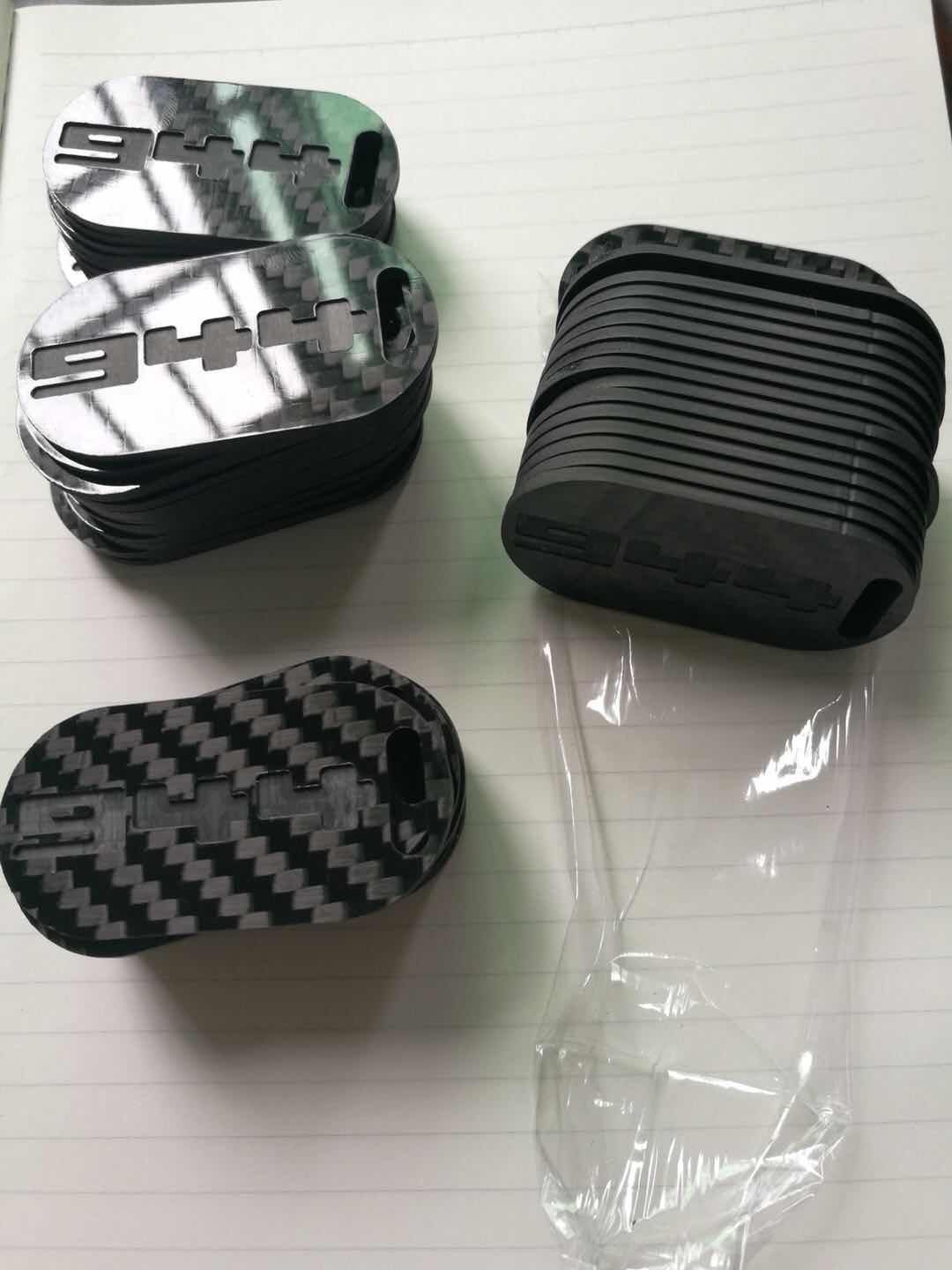
Finished product — now listed on the client’s official Porsche 944 accessories store.
View the product on Only944.com →
8. Key Takeaway
This case demonstrates a typical challenge in high-end custom sourcing: innovative design concepts often require multiple rounds of engineering adaptation before reaching a manufacturable and scalable solution.
Our role in this project was not limited to production execution. We actively:
- Evaluated manufacturability risks early
- Proposed multiple engineering solutions (A/B/C options)
- Balanced design intent with production feasibility
- Ensured continuous alignment between client expectations and factory output
9. Conclusion
Through structured risk assessment and iterative sampling, we successfully transformed a complex design concept into a manufacturable product accepted by the client and launched into real market sales. This reflects our core sourcing principle:
We do not simply produce what is requested — we engineer a path from design intent to stable mass production.
“Pampas — Responsible for the final result, always.”